

For many people, coffee is a beloved daily ritual — a moment of comfort, energy, or calm before the day begins. But your morning brew offers far more than aroma and alertness. Coffee is also one of the richest and most consistent sources of antioxidants in the modern diet, especially the powerful group known as polyphenols.
In this article, we’ll explore what are coffee antioxidants and coffee polyphenols, what is special about coffee antioxidants, and how to make your daily cup even more beneficial.
What Are Antioxidants and Why Do They Matter?
Antioxidants are natural compounds that help protect your cells from damage caused by everyday processes. As your body carries out normal activities — breathing, digesting food, exercising — it produces molecules known as free radicals. In high amounts, these can contribute to oxidative stress, a process linked to inflammation and long-term health concerns.
Antioxidants act like your body’s “clean-up team,” helping neutralise free radicals before they can cause harm. This is why diets rich in antioxidant-containing foods and drinks are associated with better overall health.
Coffee, surprisingly to some, is one of the simplest and most enjoyable ways to boost your antioxidant intake. This means coffee antioxidants can contribute to a healthy, balanced diet.
Understanding Polyphenols in Coffee
Polyphenols are a major category of plant-based antioxidants found in foods such as berries, cocoa, tea, and nuts — and coffee is one of the best sources. Coffee contains a unique group of polyphenols called chlorogenic acids (CGAs), which have been widely studied for their antioxidant and anti-inflammatory properties.
While CGA levels vary depending on roast and brewing method, they remain present in every cup. Because coffee is consumed so frequently in Western diets, it often becomes the largest single source of polyphenols for many adults, even outpacing fruits and vegetables for some people.
Why Coffee Is a Major Antioxidant Source
Although foods like blueberries, spinach and nuts contain high concentrations of antioxidants, most people don’t eat enough of them daily to match the antioxidant intake they get from coffee. It’s not that coffee is more nutritious than these foods gram-for-gram — it’s simply consumed in much larger amounts and with greater consistency.
During the brewing process, hot water naturally extracts and dissolves antioxidant compounds from the coffee grounds, particularly CGAs. As a result, every cup delivers a meaningful antioxidant boost.
Roast level plays a role too. Light and medium roasts tend to retain higher levels of chlorogenic acids, while dark roasts have slightly fewer CGAs due to longer roasting times. However, darker roasts form melanoidins — other beneficial compounds produced during the roasting process that also contribute antioxidant activity. This means all roast levels offer value; the antioxidant profile simply shifts.
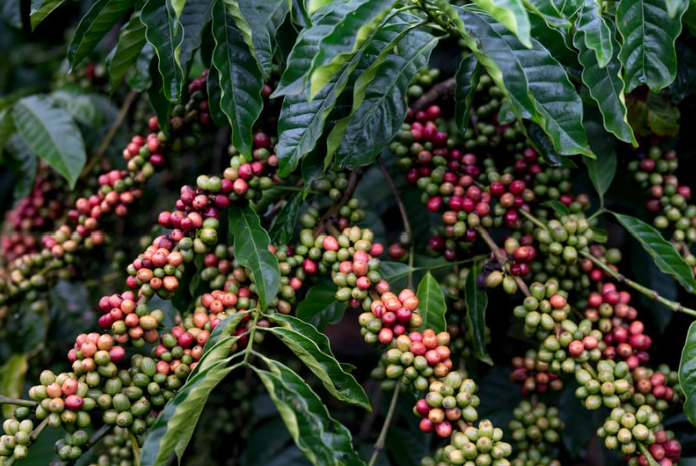
Factors That Influence Antioxidant Levels
Several variables determine how many antioxidants make their way into your cup.
1. Bean Variety (Arabica vs Robusta)
Robusta beans naturally contain higher levels of certain antioxidants and caffeine, while Arabica beans offer greater flavour complexity. Both varieties are significant sources of polyphenols, especially when freshly roasted.
2. Roast Profile
- Light–medium roasts: higher CGA content, brighter acidity, more pronounced origin flavours.
- Dark roasts: lower CGAs but higher melanoidins, offering a different antioxidant pattern and deeper, bolder flavour.
3. Brewing Method
Different methods extract antioxidants differently:
- Filter coffee: often highest in CGAs due to longer water–coffee contact.
- Espresso: very concentrated but shorter extraction time.
- French press: extracts a broader range of compounds, including aromatic oils and melanoidins.
All methods provide antioxidants — choose based on taste and lifestyle.
See all of our coffee machines for brewing here.
4. Freshness and Storage
Exposure to oxygen, moisture and light can degrade antioxidant compounds. Storing beans in an airtight, opaque container helps preserve both flavour and antioxidant integrity. Fresh, high-quality beans are your best starting point.
Health Benefits of Coffee Antioxidants
While research is ongoing, there is strong scientific evidence supporting several health-related effects of coffee’s polyphenols and antioxidant compounds.
Supports Metabolic Health
Chlorogenic acids may help improve insulin sensitivity and support healthy glucose metabolism. This could be one reason why moderate coffee drinkers often show a reduced risk of developing type 2 diabetes in observational studies.
Helps Combat Inflammation
Polyphenols in coffee may help dampen inflammation, which plays a role in many chronic conditions. Their antioxidant activity helps protect cells from oxidative damage over time.
Supports Brain Health and Cognitive Function
Beyond caffeine’s well-known alertness boost, polyphenols may offer neuroprotective effects by supporting healthy blood flow and reducing oxidative stress in brain cells.
Provides Daily Nutritional Support in an Accessible Way
Because coffee is consumed so regularly, it acts as a consistent, reliable source of beneficial plant compounds — something many people otherwise lack in their diet.
Read more about the health benefits of coffee antioxidants here.
How to Maximise the Antioxidant Benefits of Your Coffee
A few simple habits can help you get the most health value from your brew.
- Choose high-quality, freshly roasted beans. Freshness affects flavour and antioxidant integrity.
- Opt for light or medium roasts if your goal is maximising CGAs.
- Use a brewing method you enjoy — the best method is the one you’ll stick with.
- Avoid excessive added sugars or heavy creamers if you want to preserve the positive health profile.
- Store coffee properly to protect antioxidant compounds from oxygen and moisture.
At Baristafy, we’re passionate about helping you choose beans and brewing methods that bring out both the flavour and the natural health benefits of your coffee.

Frequently Asked Questions
Does coffee count as a good source of antioxidants?
Yes — for many adults, it’s the largest dietary source of antioxidants, especially polyphenols.
Which coffee has the most antioxidants?
Generally, light to medium roasts contain more chlorogenic acids, while filter brewing methods extract them efficiently.
Does decaf still have antioxidants?
Absolutely. Although decaffeination slightly reduces some compounds, decaf still provides polyphenols and other antioxidant benefits.
Is espresso more antioxidant-rich than filter coffee?
Espresso is more concentrated, but filter coffee often contains more CGAs overall due to longer extraction. Both are excellent choices.
Conclusion
Your morning coffee is much more than a caffeine kick — it’s a powerful source of antioxidants that support your overall health. From chlorogenic acids to melanoidins, the compounds in coffee help combat oxidative stress, support metabolic health, and contribute valuable polyphenols to your diet.
Whether you prefer a bright light roast or a bold dark profile, your daily cup is doing more for you than you might think.
If you’d like help choosing the best beans or brew method to maximise flavour and nutritional value, the team at Baristafy is always happy to guide you


